
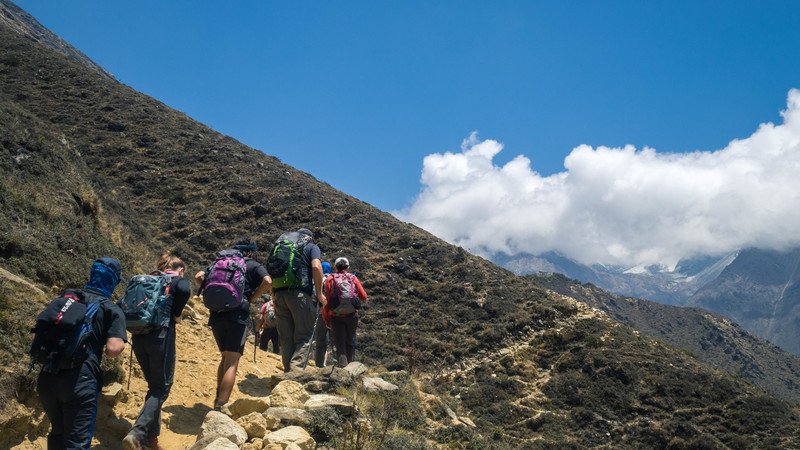
Adventure is more than movement from one place to another—it is a state of mind driven by curiosity, courage, and the desire to experience the unknown. From ancient explorers crossing uncharted lands to modern travelers chasing adrenaline and meaning, adventure has always shaped human progress and personal growth.
At its core, adventure challenges comfort zones. It demands adaptability, sharpens awareness, and often reveals strengths people never knew they had. Whether physical, emotional, or intellectual, every adventure leaves a lasting imprint.
What Defines an Adventure?
An adventure typically includes uncertainty, risk, and discovery. Unlike routine activities, it introduces unpredictability and requires active engagement with new environments or ideas.
Key defining elements include:
-
Exploration of the unknown
-
Personal or physical challenge
-
A sense of risk or unpredictability
-
Learning through direct experience
-
Emotional intensity and memorable outcomes
An adventure doesn’t have to be extreme. Even small, unfamiliar experiences can carry the same transformative power.
Types of Adventure Experiences
Adventure takes many forms, appealing to different personalities and comfort levels.
Physical Adventures
These focus on endurance, strength, and outdoor challenges.
-
Mountain trekking and hiking
-
Rock climbing and mountaineering
-
Scuba diving and surfing
-
Desert safaris and long-distance cycling
Nature-Based Adventures
Centered around raw landscapes and ecosystems.
-
Jungle expeditions
-
Wildlife safaris
-
Glacier walks
-
Ocean sailing
Cultural and Social Adventures
These involve stepping into unfamiliar ways of life.
-
Solo travel in foreign countries
-
Living with local communities
-
Learning indigenous skills or traditions
-
Language immersion journeys
Mental and Personal Adventures
Not all adventures are external.
-
Starting a new career path
-
Building a business from scratch
-
Traveling alone for the first time
-
Overcoming personal fears
Each type offers growth in different dimensions, making adventure deeply personal.
Why Humans Are Drawn to Adventure
The appeal of adventure is rooted in both psychology and biology. Novel experiences stimulate the brain, increasing dopamine levels associated with motivation and pleasure.
Adventure offers:
-
A break from routine and predictability
-
Heightened focus and presence
-
Stronger memories and emotional impact
-
Increased confidence and resilience
-
A sense of meaning and accomplishment
Many people report feeling most alive during moments of challenge and uncertainty—core ingredients of adventure.
Adventure and Personal Growth
Adventure acts as a powerful teacher. It forces quick decision-making, encourages problem-solving, and builds emotional resilience.
Common personal benefits include:
-
Improved self-confidence
-
Better stress management
-
Enhanced adaptability
-
Stronger connection to nature and people
-
Greater appreciation for simplicity
Facing discomfort voluntarily often leads to long-term mental strength and clarity.
Preparing for an Adventure
Proper preparation transforms risk into managed challenge rather than reckless danger.
Important preparation steps:
-
Research the environment and conditions
-
Build physical and mental readiness
-
Pack appropriate gear and backups
-
Learn basic survival or safety skills
-
Respect local cultures and ecosystems
Preparation doesn’t reduce adventure—it deepens it by allowing fuller engagement without unnecessary fear.
Adventure in the Modern World
Today, adventure is more accessible than ever. Technology helps with navigation, safety, and planning, while social media inspires new destinations and ideas. However, true adventure still requires intentional disconnection from comfort and predictability.
Balancing technology with presence is essential. The most meaningful adventures are often those where experiences matter more than documentation.
FAQ About Adventure
What is the difference between adventure and tourism?
Adventure emphasizes uncertainty, challenge, and active participation, while tourism often focuses on comfort, structure, and predictable experiences.
Can adventure be safe?
Yes. Adventure involves managed risk, not recklessness. Proper planning, skills, and awareness significantly reduce danger.
Do I need to be physically fit to have adventures?
Not necessarily. Many adventures focus on cultural, mental, or emotional challenges rather than physical endurance.
Why do adventures feel more memorable than daily life?
Novelty, emotional intensity, and heightened awareness make adventure experiences easier for the brain to store as long-term memories.
Is solo adventure better than group adventure?
Both have value. Solo adventures build independence and self-awareness, while group adventures foster teamwork and shared bonding.
How can beginners start their adventure journey?
Start small—try new activities, explore unfamiliar places nearby, or travel slightly outside your comfort zone before attempting larger challenges.
Can adventure help with mental health?
Yes. Adventure can reduce stress, improve mood, and increase self-confidence by promoting presence, accomplishment, and perspective.
