
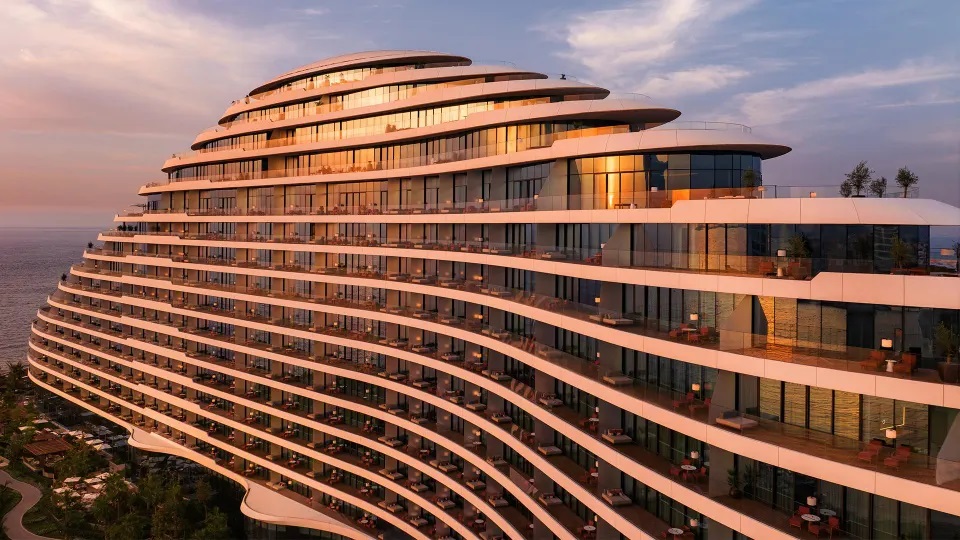
A hotel is more than just a temporary place to stay—it is a cornerstone of modern travel and hospitality. Whether serving business professionals, vacationers, families, or solo travelers, hotels are designed to provide comfort, safety, and convenience while enhancing the overall travel experience. From modest accommodations to world-class luxury properties, hotels continue to evolve to meet changing guest expectations.
What Is a Hotel?
A hotel is a commercial establishment that offers short-term or long-term lodging, often combined with additional services such as dining, housekeeping, and recreational facilities. Hotels operate around the clock and are structured to accommodate guests with varying needs, budgets, and preferences.
Evolution of Hotels in Modern Travel
The concept of hotels has evolved significantly over time. Early inns focused mainly on shelter and food, while modern hotels emphasize experience, personalization, and technology. Today’s hotels integrate comfort with innovation, offering smart rooms, digital check-ins, and customized guest services.
Types of Hotels
Hotels can be categorized based on purpose, service level, and target audience. Common types include:
-
Luxury Hotels – High-end properties offering premium amenities, fine dining, spas, and personalized services
-
Business Hotels – Designed for corporate travelers with meeting rooms, workspaces, and fast connectivity
-
Boutique Hotels – Smaller properties known for unique design, character, and intimate service
-
Resort Hotels – Destination-based hotels featuring leisure activities, pools, entertainment, and relaxation
-
Budget Hotels – Cost-effective accommodations with essential facilities
-
Extended-Stay Hotels – Ideal for longer visits, featuring kitchenettes and living spaces
Core Features and Amenities
While amenities vary depending on category, most hotels provide the following essentials:
-
Comfortable Guest Rooms with beds, bathrooms, and climate control
-
Front Desk Services for reservations, assistance, and concierge support
-
Housekeeping Services to maintain cleanliness and hygiene
-
Dining Options such as restaurants, cafés, or room service
-
Internet Access for communication, work, and entertainment
Higher-end hotels may also include spas, gyms, swimming pools, business centers, and event spaces.
Understanding Hotel Star Ratings
Hotel star ratings help travelers gauge the quality and service level offered:
-
1–2 Star Hotels – Basic accommodations with limited services
-
3 Star Hotels – Comfortable rooms with standard amenities and dining options
-
4 Star Hotels – Upscale properties with enhanced comfort, service, and facilities
-
5 Star Hotels – Luxury establishments offering exceptional service, exclusivity, and premium experiences
Importance of Hotels in the Tourism Industry
Hotels play a vital role in the global economy and tourism ecosystem by:
-
Creating employment opportunities across various skill levels
-
Supporting local businesses and supply chains
-
Encouraging tourism growth and destination development
-
Facilitating cultural exchange and international travel
Without hotels, large-scale tourism and business travel would be difficult to sustain.
How to Choose the Right Hotel
Selecting the ideal hotel depends on your travel goals and personal preferences. Key factors to consider include:
-
Location – Close to attractions, business hubs, or transportation
-
Budget – Aligning cost with desired comfort and services
-
Amenities – Wi-Fi, breakfast, parking, gym, or pool
-
Guest Reviews – Honest insights into cleanliness and service quality
-
Purpose of Stay – Leisure, business, family vacation, or long-term stay
Making an informed choice can significantly enhance your travel experience.
Sustainability and the Future of Hotels
Modern hotels are increasingly adopting eco-friendly practices to reduce environmental impact. Energy-efficient lighting, water conservation, waste reduction, and locally sourced materials are becoming industry standards. Technology-driven personalization and contactless services are also shaping the future of hospitality.
Frequently Asked Questions (FAQs)
1. What services are typically included in a hotel stay?
Most hotel stays include accommodation, housekeeping, front desk support, and basic amenities, with additional services depending on the hotel category.
2. How are hotels different from other accommodations?
Hotels offer professional management, standardized services, and on-site amenities compared to rentals or guesthouses.
3. Can hotels accommodate families and groups?
Yes, many hotels offer family rooms, extra beds, and group-friendly services.
4. What is the average length of stay in hotels?
It varies, but stays typically range from one night to several weeks, depending on travel purpose.
5. Are hotels suitable for remote work?
Many modern hotels provide high-speed internet, workspaces, and business facilities for remote professionals.
6. Do hotels offer special rates for long stays?
Extended-stay and long-term discounts are commonly available in many hotels.
7. How do hotels ensure guest safety?
Hotels use security measures such as surveillance systems, key-card access, trained staff, and emergency protocols.
