
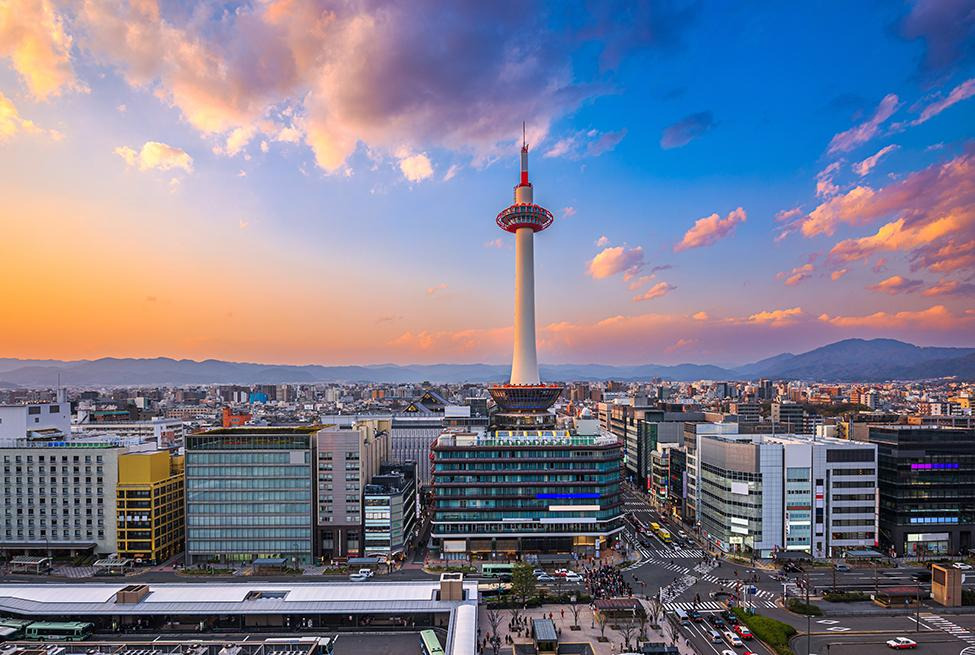
Nestled in the heart of Japan, Kyoto stands as a living museum of culture, spirituality, and refined beauty. Once the imperial capital for over a thousand years, this destination offers travelers an immersive journey into ancient traditions, serene landscapes, and elegant architecture that has endured the passage of time.
Why Kyoto Is a Must-Visit Destination
Kyoto is not just a city—it’s an experience shaped by centuries of ritual, artistry, and harmony with nature. Unlike fast-paced modern hubs, Kyoto invites visitors to slow down and observe life through a more mindful lens.
Key reasons travelers fall in love with Kyoto include:
-
Over 1,600 Buddhist temples and 400 Shinto shrines
-
Exceptionally preserved historic districts
-
Seasonal beauty that transforms the city year-round
-
A deep-rooted culture of respect, craftsmanship, and balance
Cultural and Historical Highlights
Kyoto’s identity is inseparable from its cultural landmarks, many of which are recognized as UNESCO World Heritage Sites.
Iconic Temples and Shrines
-
Kinkaku-ji – A Zen temple covered in gold leaf, reflecting peacefully over a mirror-like pond
-
Fushimi Inari Taisha – Famous for thousands of vermilion torii gates winding through forested hills
-
Kiyomizu-dera – Known for its wooden stage and panoramic city views
Traditional Districts
-
Gion remains the soul of traditional Kyoto, where narrow streets, wooden machiya houses, and the subtle presence of geiko and maiko preserve a rare cultural heritage.
Natural Beauty and Seasonal Charm
Kyoto’s landscapes change dramatically with the seasons, making it a year-round destination.
Spring and Autumn Magic
-
Cherry blossom season (March–April) paints the city in soft pink hues
-
Autumn foliage (October–November) sets temple gardens ablaze with red and gold
Scenic Escapes
-
Arashiyama offers bamboo groves, river views, and mountain backdrops ideal for peaceful walks and photography
-
Philosopher’s Path provides a quiet canal-side stroll lined with trees and small temples
Kyoto’s Culinary Identity
Kyoto cuisine emphasizes simplicity, seasonality, and balance.
Notable culinary experiences include:
-
Kaiseki – A multi-course traditional meal rooted in Zen principles
-
Yudofu – Gently simmered tofu, especially popular near temples
-
Matcha-based sweets – Reflecting Kyoto’s deep tea culture
Local markets like Nishiki Market reveal everyday flavors and ingredients cherished by residents.
Practical Travel Tips
-
The city is best explored by public transport, cycling, or walking
-
Early mornings and evenings offer quieter access to popular attractions
-
Respectful behavior is essential, especially in sacred spaces and residential areas
Best Time to Visit Kyoto
While Kyoto is enchanting year-round, the most popular months are:
-
March to May for cherry blossoms
-
October to November for autumn foliage
Summer festivals and winter illuminations provide equally rewarding experiences for travelers seeking fewer crowds.
Frequently Asked Questions
1. How many days are ideal for exploring Kyoto?
A stay of 3 to 5 days allows enough time to experience major temples, neighborhoods, and cultural activities without rushing.
2. Is Kyoto suitable for first-time visitors to Japan?
Yes, Kyoto is highly accessible, culturally rich, and well-equipped for international travelers, making it ideal for first-time visitors.
3. Can visitors see geisha in Kyoto?
Geiko and maiko can occasionally be seen in Gion, especially in the early evening, but photography should always be respectful and discreet.
4. Is Kyoto expensive compared to other Japanese cities?
Costs vary, but Kyoto offers a wide range of accommodations and dining options, from budget-friendly to luxury experiences.
5. What should visitors wear when visiting temples?
Modest clothing covering shoulders and knees is recommended to show respect in religious sites.
6. Does Kyoto offer experiences beyond temples?
Yes, visitors can enjoy tea ceremonies, cooking classes, scenic hikes, traditional crafts, and modern art spaces.
7. Is Kyoto family-friendly?
Absolutely. Many attractions, parks, and cultural activities are suitable for travelers of all ages.
